
Airbnb Security Deposit Alternatives Guide: How Hosts Protect Properties Without Scaring Off Bookings
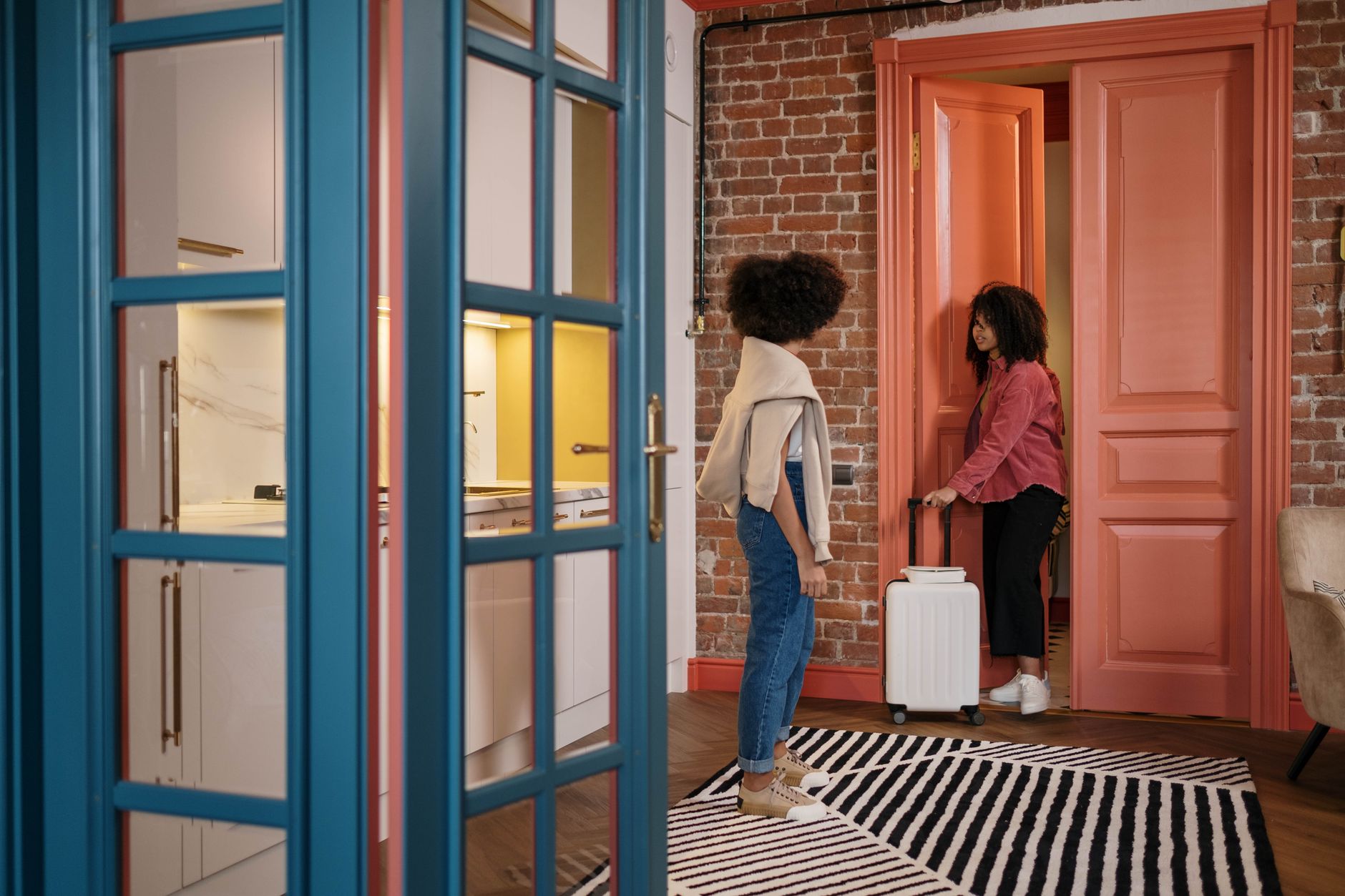
Something big shifted in short-term rentals over the past two years: Airbnb quietly deprioritized traditional security deposits in most markets, and hosts who relied on that $250 hold suddenly found themselves exposed. Meanwhile, guest expectations hardened — travelers in 2026 actively filter out listings that charge hefty upfront deposits, and data from pricing tools like PriceLabs shows listings with deposit requirements converting roughly 12-18% lower than comparable properties without them.
That’s exactly why this Airbnb security deposit alternatives guide exists. The good news? You don’t need a deposit to protect your property. A new ecosystem of damage waivers, specialized insurance, screening tools, and smart operational moves has matured to the point where most hosts can get better protection than a deposit ever offered — without the booking friction. Let’s walk through what actually works in 2026.
Why Traditional Security Deposits Are Fading Fast
First, some context. Airbnb’s platform deposit system was always awkward — the platform held funds, adjudicated claims, and hosts often felt like they were fighting uphill to get reimbursed. Then Airbnb expanded AirCover to $3 million in host damage protection, and the calculus changed. Why collect $300 from a guest when the platform claims to cover catastrophic damage?
The reality is more nuanced. AirCover has real gaps (we’ve covered the insurance coverage gaps in depth elsewhere on this site), and it won’t touch small stuff: the stained rug, the broken wine glasses, the extra cleaning after a party. Traditional deposits handled those micro-losses. Without them, hosts need a layered strategy.
There’s also a regulatory angle. Several cities — including parts of California and New York — have introduced rules around deposit handling for short-term rentals, adding compliance headaches that make deposits more trouble than they’re worth for many operators.
Damage Waivers: The Industry Favorite Right Now
If there’s one alternative dominating host forums in 2026, it’s the damage waiver fee. Instead of holding a refundable deposit, you charge guests a small non-refundable fee — typically $25-$75 per stay — that covers accidental damage up to a set limit, usually $500-$3,000.
Here’s why hosts love them:
- Zero booking friction. A $45 waiver fee barely registers compared to a $500 deposit hold on a guest’s credit card.
- It pays for itself. At $45 per booking and 100 bookings a year, you’re collecting $4,500 annually — far more than most hosts ever claimed from deposits.
- Guests behave the same. Industry data suggests damage rates don’t meaningfully increase when deposits are replaced with waivers, partly because screening matters more than the financial threat.
You can administer waivers through third-party platforms like Safely, SUPERHOG (now part of Minut), or Truvi, or build your own informal version by baking a “protection fee” into your pricing and self-insuring. The DIY route works if you have solid cash reserves — just be honest with yourself about whether you’d actually absorb a $2,000 furniture replacement without complaint.
One caution: waiver programs typically cover accidental damage only. Intentional destruction, theft, and parties still fall to AirCover or your own insurance.
Specialized STR Insurance: The Foundation Layer
Waivers handle the small stuff. Insurance handles the disasters. If you’re operating without dedicated short-term rental insurance in 2026, you’re gambling — standard homeowner’s policies almost universally exclude paying guests.
Providers like Proper, Foremost, and CBIZ offer STR-specific policies that cover guest-caused damage, liability, and even lost income. Expect to pay $1,500-$4,000 annually depending on property value and location, with deductibles typically between $1,000 and $2,500.
The smart play is treating insurance as your backstop and structuring everything else to avoid ever filing a claim (claims raise premiums, after all). That means your protection stack looks like this:
- Damage waiver for incidents under $1,000
- AirCover as a secondary layer for mid-range damage
- STR insurance for anything catastrophic
This layered approach is the core insight of any serious Airbnb security deposit alternatives guide — no single tool replaces a deposit, but three layers together outperform one.
Guest Screening: The Alternative Nobody Talks About Enough
Here’s an uncomfortable truth: the best damage protection isn’t financial at all. It’s keeping problem guests out in the first place. Hosts who implement rigorous screening report dramatically lower damage rates — some property managers claim a 60-70% reduction in incidents after tightening their vetting process.
Modern screening tools go well beyond reading Airbnb reviews:
- Truvi and SUPERHOG run identity verification, background checks, and risk scoring before you accept a booking.
- Autohost flags high-risk reservations using dozens of data points, including booking patterns associated with parties.
- Manual checks still matter: incomplete profiles, local guests booking one-night weekend stays, and last-minute bookings for your maximum occupancy are classic red flags.
If you’re using Instant Book, pair it with strict requirements — verified ID, positive reviews from other hosts, and a completed profile at minimum. The 30 seconds you spend reviewing a reservation is worth more than any deposit amount.
Operational Moves That Reduce Damage Risk
The final layer costs almost nothing: designing your space and systems to minimize damage opportunities.
Choose durable materials. Performance fabric sofas, luxury vinyl plank flooring, and washable paint (eggshell or satin finish) shrug off abuse that would destroy cheaper alternatives. When furnishing, assume everything will eventually be damaged and price accordingly.
Document everything at turnover. Your cleaning team should photograph the property after every checkout — not just when something’s wrong. Timestamped photos are what win AirCover claims and insurance disputes.
Use smart home tech as an early warning system. Noise monitors (which track decibel levels, not conversations, keeping them privacy-compliant) catch parties in hour one instead of hour six. Smart locks with unique guest codes tell you exactly when people arrive and whether unauthorized visitors show up at 11 PM.
Set clear house rules with stated consequences. Rules that mention specific fees for smoking, unauthorized pets, or extra guests create accountability even without a deposit. Airbnb will support these charges if they’re disclosed in your listing and documented properly.
Putting It All Together: Your 2026 Protection Stack
So what does the modern, deposit-free protection strategy look like in practice? Here’s the setup we’d recommend for a typical single-property host:
- Charge a $40-$60 damage waiver fee per booking through a provider like Safely
- Carry STR-specific insurance with a $1,000 deductible
- Run every guest through a screening tool, especially for high-risk booking patterns
- Install a noise monitor and smart lock
- Photograph the property at every turnover
Total cost: roughly $2,000-$3,500 per year, mostly offset by waiver fees. Compare that to the booking revenue you lose by displaying a $400 deposit requirement, and the math isn’t close.
The era of the security deposit is ending, but hosts who follow this Airbnb security deposit alternatives guide aren’t losing protection — they’re upgrading it. Start by picking one layer to implement this week. If you do nothing else, get proper STR insurance quotes and add a screening tool; those two moves alone cover the majority of real-world risk. Your bookings will thank you, your guests will thank you, and the next time something breaks, you’ll actually have a process that pays out.