
The Ultimate Airbnb Deep Cleaning Checklist for Turnovers in 2026
The short-term rental landscape has shifted dramatically as we move through 2026. With the post-pandemic travel boom stabilizing into a more discerning, quality-focused market, guests are no longer just looking for a place to sleep—they are looking for an experience that rivals boutique hotels. In this environment, cleanliness isn’t just a baseline expectation; it is the single most cited factor in negative reviews and the primary driver of 5-star ratings. If you want to protect your ranking in the 2026 algorithm, you need a rigorous airbnb deep cleaning checklist turnover strategy that goes far beyond a quick wipe-down and fresh linens.
Many hosts make the mistake of treating “turnover cleaning” and “deep cleaning” as the same task. They are not. A turnover clean is about speed and surface-level readiness, while a deep clean is about hygiene, maintenance, and longevity. Failing to distinguish between the two leads to “cleaning fatigue,” where grime builds up in overlooked areas until a guest notices a dirty vent or a stained grout line. This guide provides a comprehensive system to manage both, ensuring your property remains pristine without burning out your cleaning team or blowing your budget.
Why the “Surface Clean” Is Killing Your Ratings in 2026
In the early days of Airbnb, guests were forgiving of a few dust bunnies. Today, the standard is hotel-grade sanitation. Recent data from guest satisfaction surveys in 2026 indicates that 68% of guests will not rebook a property if they find hair in the bathroom or dust on the baseboards, even if the rest of the home is perfect. Furthermore, with the rise of remote work and “bleisure” travel, guests are spending more time inside the rental, meaning they are inspecting your property with a magnifying glass.
A superficial clean might get you through a back-to-back turnover, but it accumulates “hygiene debt.” This debt eventually manifests as odors, allergens, and wear-and-tear that no amount of surface spray can fix. Implementing a scheduled airbnb deep cleaning checklist turnover routine ensures that you address the hidden dirt that accumulates over time. This isn’t just about aesthetics; it’s about asset protection. Regular deep cleaning extends the life of your carpets, upholstery, and appliances, saving you thousands in replacement costs over the long term.
The Core Difference: Turnover vs. Deep Cleaning
To build an effective system, you must first define the scope of work for your team. A standard turnover clean is designed to reset the property for the next guest within a tight window (usually 4-6 hours). It focuses on high-touch surfaces, linen changes, trash removal, and visual tidiness.
A deep clean, however, is a top-to-bottom sanitization event. Depending on your occupancy rate, this should happen quarterly or at least bi-annually. During a deep clean, the property is often taken offline for 24-48 hours to allow for tasks that require drying time or heavy machinery.
Key differences to communicate to your team:
- Turnover: Focuses on presentation and sanitization of high-touch areas.
- Deep Clean: Focuses on restoration and maintenance of the asset.
- Turnover: Usually takes 2-4 hours depending on property size.
- Deep Clean: Can take 6-10 hours and may require specialized equipment (carpet extractors, steam cleaners).
By separating these workflows, you avoid overwhelming your cleaners during busy seasons while ensuring the property doesn’t degrade over time.
The Ultimate Airbnb Deep Cleaning Checklist Turnover Protocol
When it is time for a deep clean, you need a checklist that leaves no stone unturned. This protocol should be printed, laminated, and signed off by your cleaning lead. Here is the room-by-room breakdown for a 2026 standard deep clean.
Kitchen: The Heart of Hygiene
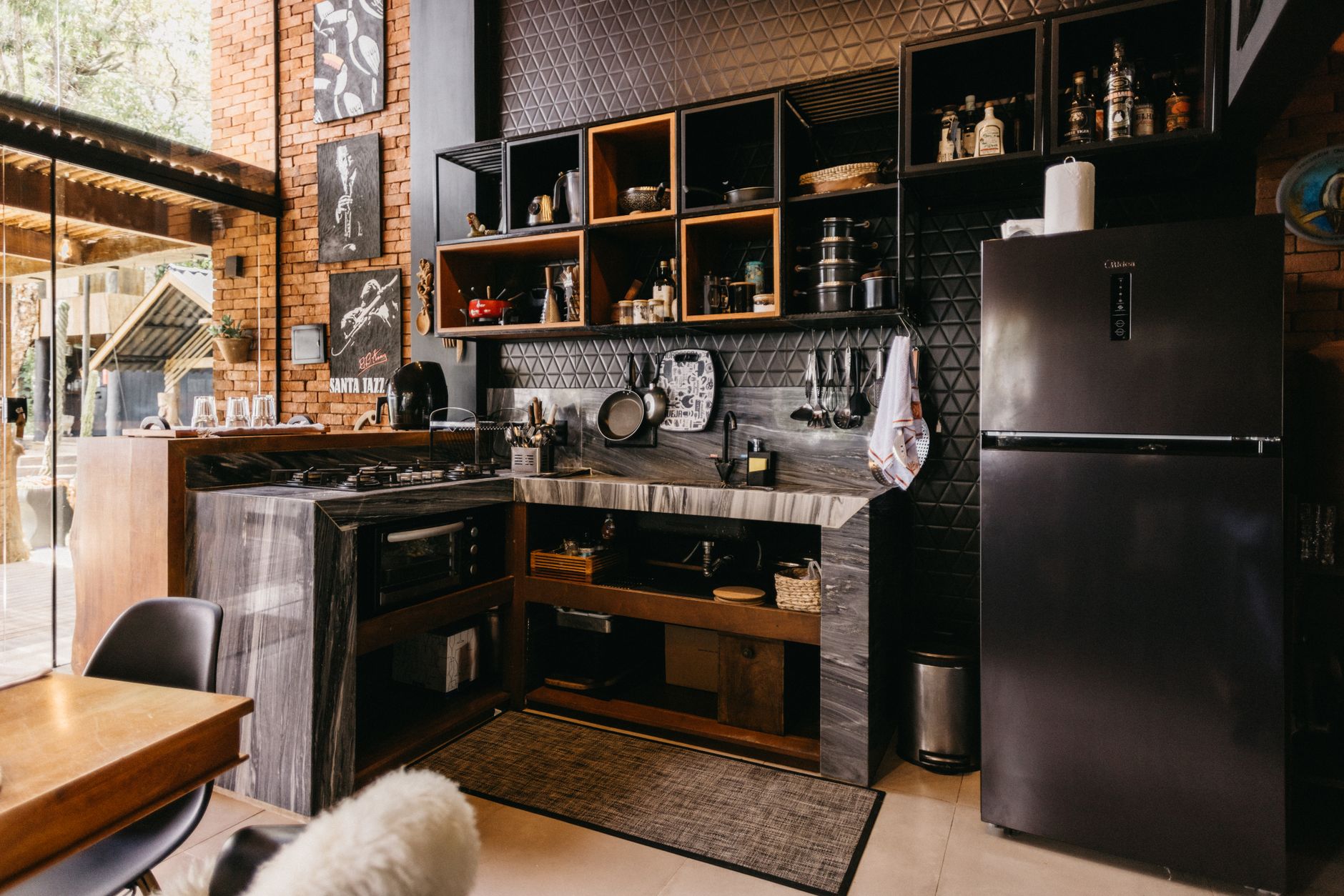
The kitchen is where grease and bacteria hide. A turnover clean wipes the counters; a deep clean tackles the appliances.
- Oven & Range: Remove racks and soak in degreaser. Scrub interior walls and door glass. Clean the range hood filter (often overlooked and a fire hazard).
- Refrigerator: Empty completely, discard expired items, remove shelves and drawers to wash with warm soapy water. Vacuum the condenser coils to improve efficiency.
- Dishwasher: Run a cleaning cycle with vinegar or a specialized cleaner. Scrub the rubber gasket around the door where mold hides.
- Cabinets: Wipe down the inside of cabinets and drawers. Crumbs attract pests.
- Small Appliances: Descale the coffee maker and kettle. Crumb-tray the toaster. Microwave interior steam-cleaned.
Bathrooms: Mold and Grout Warfare
Bathrooms are the number one source of guest complaints.
- Grout & Caulking: Scrub grout lines with a stiff brush and bleach-based cleaner. Re-caulk any peeling or moldy edges around the tub and sink.
- Showerhead: Soak in a vinegar solution to remove mineral buildup and improve water pressure.
- Exhaust Fan: Remove the cover and vacuum out dust. A clogged fan leads to moisture retention and mold.
- Behind the Toilet: Don’t just mop around it; move the toilet brush and clean the base and the wall behind it.
- Drains: Use a drain snake or enzymatic cleaner to clear hair and soap scum buildup in sinks and showers to prevent slow drainage.
Living Areas & Bedrooms: Dust and Allergens
These rooms accumulate dust mites and allergens that affect air quality.
- Mattresses: Vacuum the mattress surface and sides. Rotate or flip if the manufacturer allows. Check for bed bugs (a critical 2026 liability check).
- Upholstery: Steam clean sofas and armchairs. Remove cushions and vacuum deep into the crevices.
- Window Treatments: Wash curtains or dry clean drapes. Dust blinds slat-by-slat.
- Baseboards & Vents: Wipe down all baseboards. Remove HVAC vent covers and wash them; vacuum inside the ducts as far as you can reach.
- Under Furniture: Move beds and sofas to clean the floor underneath. This is a common spot for lost items and dust bunnies.
Integrating Deep Cleans into Your Turnover Schedule
The biggest challenge hosts face is finding the time to deep clean without losing revenue. In 2026, smart hosts use dynamic pricing and minimum stay requirements to create “maintenance windows.”
Strategy 1: The Gap Night If you have a booking ending on a Sunday and the next starting on a Friday, block the Monday and Tuesday for a deep clean. You lose two nights of potential revenue but gain a pristine property that commands higher rates for the rest of the month.
Strategy 2: The Seasonal Reset Align your deep cleans with the change of seasons. For example, schedule a major deep clean in early November before the holiday rush, and another in late March before the spring break season. This ensures your property is at its peak during high-demand periods.
Strategy 3: The “Clean Tax” Some hosts now add a small “deep cleaning surcharge” to stays longer than 14 days. This covers the cost of a mid-stay deep clean, which is often necessary for long-term guests to maintain the property’s condition.
Tools and Tech for 2026
Gone are the days of paper checklists that get lost. Modern STR management relies on digital verification.
- TurnoverBnB / Turno: These platforms allow you to create digital checklists that cleaners must check off in real-time. You can require photos of specific areas (e.g., inside the oven, under the bed) before the job is marked complete.
- Breezeway: Offers detailed property care workflows that combine cleaning with maintenance checks. If a cleaner notices a leaky faucet during a deep clean, they can log a maintenance ticket immediately.
- UV Light Inspection: Many professional cleaners now use UV flashlights to detect biological stains that are invisible to the naked eye. This is a game-changer for verifying mattress and upholstery cleanliness.
Conclusion: Cleanliness as a Revenue Strategy
In the competitive 2026 market, your airbnb deep cleaning checklist turnover process is not just an operational chore—it is a revenue strategy. A spotless property justifies higher nightly rates, secures 5-star reviews that boost your search ranking, and reduces the likelihood of damage claims and refunds. By distinguishing between daily turnovers and periodic deep cleans, utilizing digital tools for accountability, and scheduling strategically, you protect your investment and your reputation.
Don’t wait for a bad review to tell you your cleaning protocol is failing. Audit your current process today. Print the checklist, brief your team, and schedule your next deep clean. Your future guests—and your bank account—will thank you.